Syngas AI Series No. 2: Fixing the Ammonia Dilemma Amidst Geo-Political Turmoil
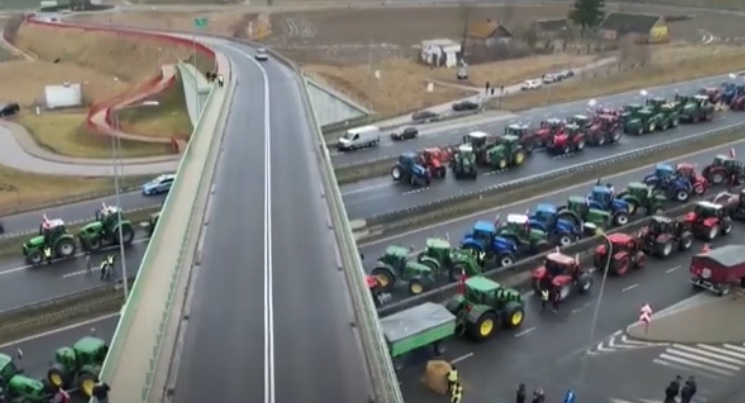
As global tensions rise with Russia’s invasion of Ukraine, the repercussions have extended beyond geopolitical borders, impacting the delicate balance of resource supply and demand. One significant casualty has been the supply of natural gas, a lifeline for many nations, particularly affecting the agricultural sector in Poland and its reliance on ammonia for food production. In this edition, we explore how the Syngas Project’s TITAN platform, coupled with microbial fermentation of nitrogen-fixing bacteria, can offer a sustainable solution to the ammonia dilemma.
The Struggle for Ammonia Supply
The conflict’s ripple effect has been felt keenly in Poland, where sanctions have constrained the supply of natural gas, subsequently affecting ammonia availability for farmers. Ammonia is a vital component for fertiliser production, crucial for sustaining scaled agricultural productivity and ensuring food security.
The way AI is transforming our business is how we are transforming our industry
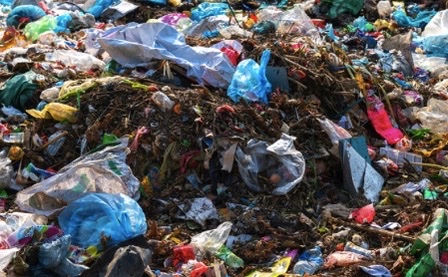
The problem with MSW is the three C’s: Comingled, Cogglomerated and Contaminated
Pandoras Box
In mythology, Pandora’s Box released the world’s evils. In the case of ASMARA, opening the box reveals something far more hopeful: the transformation of society’s most problematic waste streams into usable, nature-like resources. At its core, ASMARA is a hydrogen producer gas (HPG) and fermentation platform tailored for the complex challenge of Municipal Solid Waste (MSW). It is TITAN’s urban twin—engineered for cities, built for resilience, and future-proofed for circularity.
The ASMARA Breakthrough: Turning Plastic Waste into Resource
Most cities today are drowning in non-recyclable plastic waste—films, containers, food packaging, multi-layer composites, and even rubber tires, often contaminated with paper labels or bonded with incompatible polymers. These conglomerates clog sorting lines, evade recycling plants, and are routinely landfilled or incinerated.
In the ever-evolving narrative of climate change, Poland’s National Forest Reserves stand as vital guardians of biodiversity and sustainable resource utilisation. Within this intricate tapestry, Syngas Project, through its visionary initiatives “Reach” and “Cache”, is orchestrating a symphony of resilience. This extended exploration uncovers the strategic dance between Syngas Project and Poland’s National Forest Reserves, highlighting the symbiosis between forest management and climate-induced events.
Poland’s National Forest Reserves: Balancing Conservation and Utilization
Before we delve into the intricate strategies of “Reach” and “Cache,” it’s crucial to appreciate the unique character of Poland’s National Forest Reserves. These reserves, vital for preserving biodiversity, are also strategic sources of forest products. Yet, the delicate equilibrium between conservation and utilisation requires careful consideration, especially in the face of temporary disruptions caused by severe weather events.
Understanding Delayed Clear-Cutting: A Balanced Perspective
In the grand scheme of forest management, the delayed clear-cutting dilemma is not a norm but a calculated response to the temporary impact of severe weather events. This delayed harvesting, often prompted by storms, is a risk-mitigation strategy. It allows forest management authorities to adapt and preserve the resilience of the National Forest Reserves, recognizing that these weather events are temporary disruptions rather than perpetual obstacles.
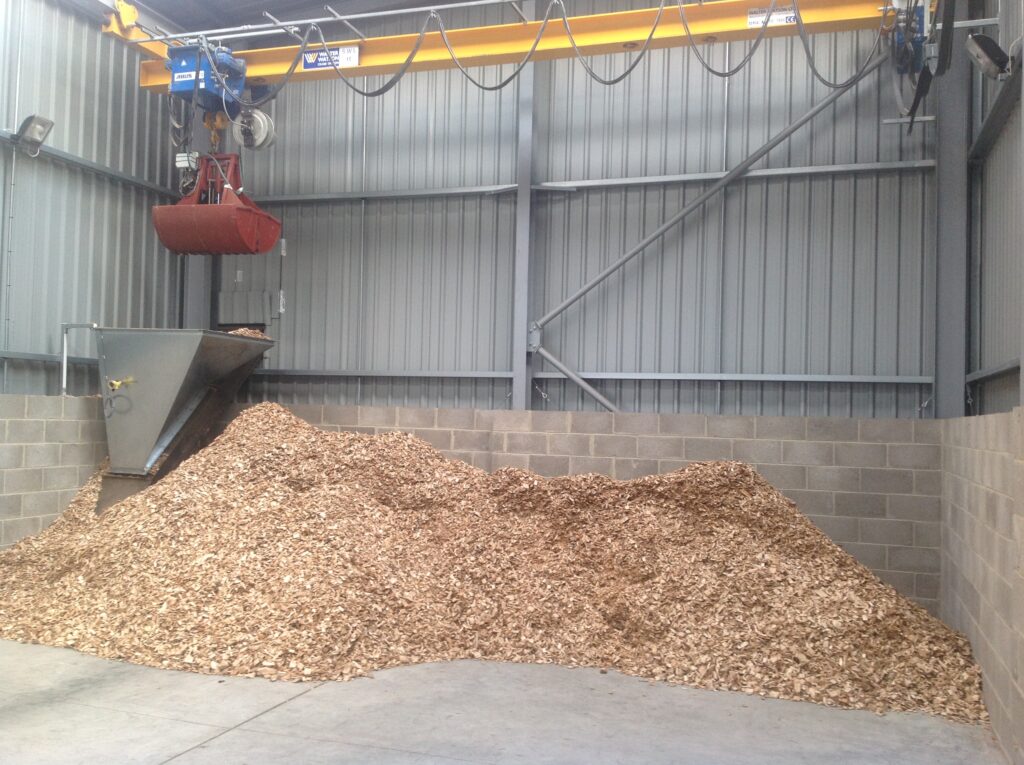
Within this nuanced context, the Reach initiative becomes a strategic tool for Syngas Project. By harnessing Poland’s extensive electric railway infrastructure and TITAN’s capacity to generate extra carbon-positive electricity on demand, Reach facilitates the acquisition of biomass from various National Forest Reserves. The delayed clear-cutting in one reserve, resulting from a storm, transforms into an opportunity for Syngas Project to strategically acquire biomass from another reserve, thus aligning forest management practices with transient climate-induced events.
In the dynamic landscape of waste transformation, TITAN and ASMARA emerge as adaptive forward-compatible platforms proficient in converting solid waste into producers’ gas, and from hydrogen producers’ gas via microbial fermentation into new and better fuels, chemicals and materials. In a realm where innovation meets sustainability, these platforms unfold a compelling narrative ideal springboards within the realm of Carbon Circular Recycling (CCR).
Future-Proofing for CO2 Integration and Direct Air Capture: A Forward-Thinking Move?
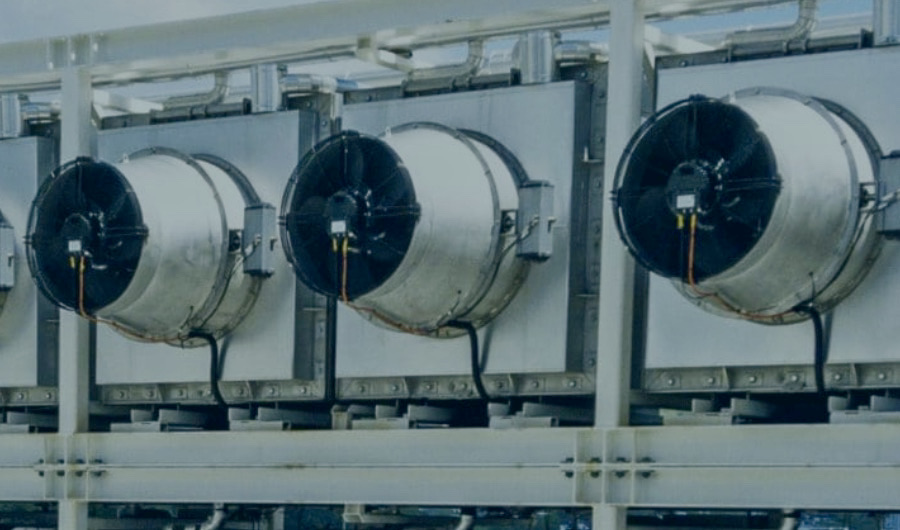
Syngas Project strategically future-proofed TITAN and ASMARA to not only accommodate the intake of third-party CO2 waste from carbon capture devices but also kick-start direct air capture initiatives for CCR. Designed as forward-looking models, these platforms seamlessly integrate with the needs of future carbon capture entrepreneurs, ensuring adaptability for evolving technologies.
“The value proposition for the Direct Air Capture Project is, assured low-cost renewable electricity on demand in addition to an assured long-term off-taker agreement for Co2. For Syngas Projects platforms it’s a valuable and reliable source of CO2 for conversion into new fuels, chemicals and materials.”