
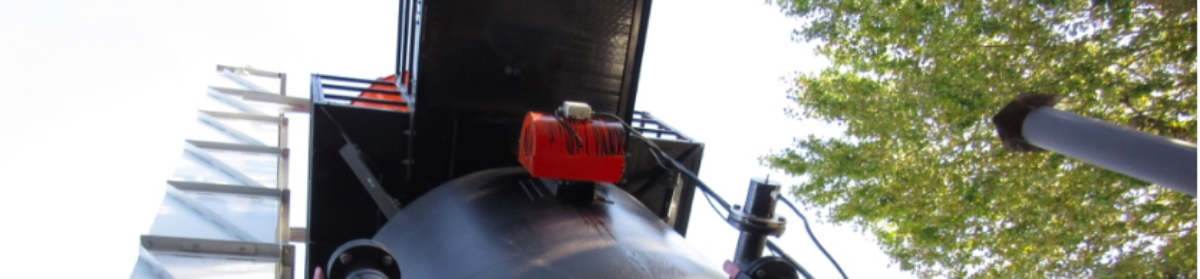
This new capability is not limited to improving one organism at a time. Researchers are also investigating microbial consortia: communities of different microorganisms that divide work between them, exchange metabolites and collectively perform tasks that may be difficult for a single strain. Such cooperation—often described as microbial symbiosis—may offer greater resilience, flexibility and metabolic range than a single isolated microorganism. (Frontiers)
One particularly interesting family of microbial products is the biosurfactant.
What is a surfactant?
Water and oil naturally resist mixing. Water molecules prefer to remain with other water molecules, while oils and fats tend to separate from them.
A surfactant helps bring these different materials together.
Each surfactant molecule normally contains two functional parts:
- a hydrophilic head, which is attracted to water; and
- a hydrophobic tail, which is attracted to oils, fats or other non-water-soluble materials.
Because of this dual character, surfactants collect at the boundary between water and oil, water and air, or water and a solid surface. They reduce surface tension and can help liquids spread, wet a surface, create foam, disperse particles or form stable emulsions.
Surfactants are therefore found throughout modern life. They are used in detergents, shampoos, cosmetics, food processing, paints, coatings, pharmaceuticals, agriculture, oil recovery, wastewater treatment and industrial cleaning.
Most conventional surfactants have historically been produced from fossil-derived chemical feedstocks. Biosurfactants offer a different route: they are made by living organisms, frequently through fermentation using bacteria, yeasts or fungi.
What is a biosurfactant?
A biosurfactant is a biologically produced molecule—or mixture of related molecules—that has surface-active properties.
Microorganisms naturally produce these compounds for several reasons. A biosurfactant can help a microbe:
- access oils and other poorly soluble carbon sources;
- attach to or detach from surfaces;
- move across wet surfaces;
- compete with other organisms;
- form or disrupt biofilms; and
- change the conditions immediately surrounding the cell.
From the microorganism’s point of view, a biosurfactant is a tool. From an industrial point of view, it can become a valuable product.
Biosurfactants are attractive because many have good biodegradability, comparatively low toxicity and the potential to be manufactured from renewable or residual feedstocks. Their performance can also remain useful under conditions involving changes in temperature, salinity or pH, although the exact behaviour depends on the molecule and its formulation. (Frontiers)
A family of molecules, not a single product
The term biosurfactant does not describe one substance. It covers many different molecular families.
Important examples include:
Rhamnolipids
Rhamnolipids are glycolipid biosurfactants most commonly associated with bacterial production. They can provide strong surface-tension reduction, emulsification and wetting performance.
Potential applications include:
- industrial and household cleaning;
- soil and water remediation;
- oil dispersion and recovery;
- agriculture;
- cosmetics; and
- controlled formulations involving oils or hydrophobic compounds.
Rhamnolipid fermentation often produces several related molecular forms, known as congeners. Their relative proportions can change the behaviour of the final product. This means that the mixture itself may be as important as the concentration of any single molecule. (arXiv)
Sophorolipids
Sophorolipids are commonly produced by yeasts. They are already among the more commercially advanced biosurfactants and are being investigated or used in cleaning, personal-care, cosmetic, agricultural and environmental applications.
Their properties can be adjusted through fermentation conditions and downstream processing. Different forms may provide different levels of detergency, foaming, emulsification and biological activity. (ScienceDirect)
Surfactin and other lipopeptides
Surfactin is a powerful lipopeptide biosurfactant associated with certain Bacillus strains. It can strongly reduce surface tension and may also demonstrate antimicrobial, anti-adhesion and biofilm-related activity.
Lipopeptides are particularly interesting because their value may extend beyond conventional cleaning or emulsification. Their biological interactions could create opportunities in agriculture, environmental treatment, specialist coatings and advanced materials.
Mannosylerythritol lipids
Mannosylerythritol lipids, generally shortened to MELs, are yeast-derived glycolipids with useful emulsifying, self-assembling and surface-active properties.
They are being examined for applications including cosmetics, personal care, pharmaceuticals and specialist materials.
Polymeric bioemulsifiers
Some microorganisms produce larger molecules that are particularly effective at stabilising emulsions. These may not always reduce surface tension as strongly as smaller biosurfactants, but they can hold oil, water and suspended materials together for extended periods.
That can be valuable in food processing, wastewater treatment, environmental remediation and industrial formulations.
Can different biosurfactants work together?
Yes. This may become one of the most important areas of future development.
Industrial surfactants are rarely selected only because one molecule produces one effect. A complete formulation may need to:
- wet a surface rapidly;
- lift oil or dirt;
- keep particles suspended;
- stabilise foam—or prevent it;
- tolerate salts and minerals;
- operate within a chosen pH range;
- remain stable during storage; and
- biodegrade safely after use.
One biosurfactant may be excellent at wetting. Another may be better at emulsifying oils. A third may stabilise the resulting mixture, interact with a contaminant or prevent unwanted microbial growth.
Used together, they may provide synergistic performance, where the combined effect is better than the performance of either molecule alone.
Nature may already give us a starting point. Fermentation frequently produces families of related molecules rather than one perfectly pure substance. Historically, purification has often been designed to isolate a single compound. Future product development may instead ask a different question:
What is the most useful controlled molecular community?
The future surfactant may therefore not be one molecule. It may be a designed mixture of biosurfactants, supporting molecules and biological functions.
How are biosurfactants produced?
Most microbial biosurfactants are produced through fermentation.
A selected microorganism receives:
- a carbon source;
- nitrogen and minerals;
- water;
- oxygen where aerobic metabolism is required;
- controlled temperature;
- controlled pH; and
- sufficient mixing and mass transfer.
The organism consumes its carbon diet, grows and produces the desired biosurfactant either inside the cell, on the cell surface or into the surrounding fermentation liquid.
Production may use refined sugars and oils, but research increasingly focuses on lower-cost residual materials such as:
- food-processing residues;
- used cooking oils;
- molasses;
- glycerol;
- agricultural by-products;
- hydrolysates from lignocellulosic materials; and
- other carbon-rich industrial side streams.
Studies have demonstrated biosurfactant production using agro-industrial residues and combinations such as molasses, used vegetable oil and corn-processing streams. The central economic challenge is to match a reliable carbon diet with a productive organism and an affordable recovery process. (Frontiers)
Many biosurfactant-producing organisms require oxygen. This makes biosurfactant manufacture particularly relevant to aerobic fermentation, where oxygen transfer, mixing, foam control and reactor design are central parts of the process.
Why has the market not already changed completely?
Biosurfactants are promising, but they are not automatically better in every application.
Several challenges remain:
- fermentation yields can be too low;
- the carbon feedstock may be expensive;
- aeration and mixing consume energy;
- the organism may produce a variable mixture;
- product recovery and purification can be difficult;
- foam can interfere with the fermentation process;
- contamination must be controlled;
- regulation depends on the final application; and
- conventional petrochemical surfactants benefit from highly developed global supply chains.
The challenge is therefore not simply to prove that a microorganism can make a biosurfactant. The challenge is to develop an integrated process that can produce the correct formulation, at the required quality, scale and price.
This is where advanced microbial engineering, process integration and access to low-cost carbon become important.
How AI changes the development process
Traditional strain development can require repeated cycles of laboratory work:
- select an organism;
- change a gene or growth condition;
- ferment the strain;
- measure the result;
- compare the performance; and
- repeat.
This remains essential, but modern computational tools can improve each cycle.
AI and machine-learning systems can help researchers:
- identify possible biosynthetic pathways;
- predict enzyme function;
- compare potential host organisms;
- model carbon movement through the cell;
- identify metabolic bottlenecks;
- predict gene targets;
- optimise fermentation conditions;
- analyse large screening datasets; and
- design the next experimental round.
The important development is not simply faster gene editing. It is the emergence of a more integrated design–build–test–learn process.
Researchers are also beginning to connect microbial strain design with bioreactor design. This matters because an organism that performs well in a laboratory flask may not remain productive in a large industrial reactor. Oxygen availability, mixing, temperature gradients, foam, pressure and nutrient distribution all influence actual performance. Integrated modelling could allow the organism and the production system to be developed together. (ScienceDirect)
Where could biosurfactants be deployed?
Cleaning and detergents
Biosurfactants may replace or complement fossil-derived ingredients in household, institutional and industrial cleaning products.
Their roles may include:
- wetting;
- grease removal;
- soil lifting;
- foam management;
- emulsification; and
- dispersion of fine particles.
Personal care and cosmetics
Potential products include shampoos, skin cleansers, creams, deodorants and cosmetic emulsions.
In this market, biodegradability, skin compatibility, mildness and renewable sourcing can be important alongside technical performance.
Agriculture and regenerative farming
Biosurfactants may help:
- improve the spreading of biological crop treatments;
- increase wetting of soil and plant surfaces;
- mobilise poorly soluble nutrients;
- support bioremediation;
- improve the delivery of microbial or biological products; and
- reduce reliance on persistent chemical formulation agents.
Research also considers possible roles in plant-growth promotion, pathogen management and the remediation of pesticide-contaminated soils. (ScienceDirect)
Water and wastewater treatment
Biosurfactants may help separate oils, mobilise hydrophobic pollutants, improve flotation, condition sludge or transfer contaminants from one phase into another.
They may also help concentrate selected contaminants before a final destruction or recovery stage.
However, this must be carefully engineered. Mobilising a pollutant without capturing it could make the problem worse. A successful process must combine the surfactant with a defined separation step, such as:
- foam fractionation;
- activated carbon;
- biochar;
- ion exchange;
- membrane separation;
- sedimentation; or
- controlled biological treatment.
PFAS concentration
Biosurfactants are not currently a general solution for destroying PFAS.
Their more realistic potential role may be to help collect, mobilise or concentrate PFAS at an interface or within a separation process. The concentrated PFAS-bearing material would then require secure destructive treatment.
Within an AQUIS-type system, this suggests a possible future sequence:
- use a tailored surfactant or biosurfactant system to improve contaminant capture;
- concentrate the contaminants onto a filter, carbon material, foam or separated phase;
- return the concentrated material to a controlled system; and
- subject it to verified end-of-life destruction.
This remains a research opportunity rather than a proven Syngas Project process, but it fits the principle that pollutants should not merely be transferred from water into another unmanaged waste stream.
Microplastics and oily contaminants
Biosurfactants may alter the surface behaviour of plastics, oils and suspended particles. This could help aggregate, float, disperse or capture them depending on the formulation and process conditions.
Again, the objective must be clear. AQUIS would not use a biosurfactant simply to make pollution less visible. It would use the chemistry to bring misplaced carbon into a form that can be separated and permanently treated.
Bioremediation
Biosurfactants can increase the availability of hydrophobic hydrocarbons to pollutant-degrading microorganisms. This may improve the biological treatment of contaminated soil or water.
Microbial consortia may be particularly useful here. One organism could release or mobilise the pollutant, another could break it into intermediate compounds, and another could complete the degradation pathway. Research indicates that microbial consortia can offer greater adaptability and a broader catalytic capability than isolated organisms in some remediation systems. (Frontiers)
Food and feed systems
Biosurfactants may act as emulsifiers, stabilisers or texture-control ingredients. They may also assist with antimicrobial protection or surface management, subject to strict safety and regulatory requirements.
Research into food applications highlights their emulsification, foam-stabilisation and interaction with complex food matrices. (PubMed Central (PMC))
Pharmaceutical and medical materials
Some biosurfactants demonstrate anti-adhesion, antimicrobial or biofilm-related properties. These could support future applications in wound care, coatings, drug delivery or medical-device surfaces.
These applications require a much higher level of purity, toxicological evidence, clinical validation and regulatory approval than environmental or industrial uses.
Materials and coatings
Because biosurfactants can self-assemble and interact with both water-loving and oil-loving materials, they may become useful building blocks for:
- biodegradable coatings;
- controlled-release systems;
- functional surfaces;
- nanoparticles;
- membranes;
- bio-based composites; and
- specialist chemical formulations.
Biosurfactants in the Syngas Project world
Syngas Project does not begin with a demand for a specific fuel or chemical. It begins with carbon that is in the wrong place.
Forest residue belongs in the TITAN platform. Municipal carbon belongs in ASMARA. Agricultural residue belongs in IGNIS. Waterborne carbon and contaminants belong in AQUIS. Gaseous carbon belongs in CUMULUS, while carbon solids and minerals are managed through STRATA.
The common task is to prepare that carbon and connect it with the correct microbial capability.
Biosurfactants could eventually become both a product and a process tool within this platform family.
TITAN
TITAN could provide renewable carbon intermediates derived from forest residues. In the longer term, selected fractions or fermentation intermediates could potentially become carbon diets for biosurfactant-producing organisms.
Biosurfactants might also support:
- cleaning and maintenance of fermentation systems;
- management of hydrophobic process compounds;
- gas–liquid mass transfer;
- biofilm control;
- separation of valuable co-products; and
- production of specialist bio-based chemicals.
Any use inside the fermentation process would require careful control because excessive surfactant activity may create foam or interfere with cells, membranes and downstream separation.
AQUIS
AQUIS presents the clearest early connection.
Potential research areas include:
- mobilisation and capture of oils;
- separation of hydrophobic pollutants;
- microplastic conditioning;PFAS concentration;
- improved biochar filtration;
- sludge conditioning;
- filter cleaning;
- biofilm management; and
- returnable cleaning formulations.
AQUIS could potentially deploy biosurfactants and then capture the resulting contaminant-rich material for end-of-life treatment. This would connect biological chemistry with the AQUIS principle of permanent pollutant removal.
IGNIS
In agriculture, biosurfactants could support:
- regenerative soil products;
- biological crop treatments;
- nutrient mobilisation;
- remediation of hydrocarbon- or pesticide-affected soils;
- improved distribution of microbial products;
- wetting of dry or compacted materials; and
- formulation of biochar-based soil additives.
IGNIS could also provide lower-cost agricultural carbon diets for future fermentation, subject to feedstock consistency and process economics.
ASMARA
ASMARA may encounter oils, fats, detergents, mixed plastics and other hydrophobic municipal materials.
Biosurfactant systems could potentially assist with:
- separation of wet and dry fractions;
- cleaning of recoverable materials;
- mobilisation of oils and fats;
- preparation of difficult organic fractions;
- wastewater treatment; and
- removal of contamination before carbon conversion.
STRATA
STRATA could combine biosurfactants with biochar, minerals and regenerative soil products.
Possible applications include:
- biochar wetting;
- controlled delivery of nutrients;
- pollutant-binding formulations;
- soil-remediation products;
- carbon-based filtration media; and
- specialist biological coatings.
From one microbial worker to a microbial team
The most exciting future may not involve one engineered organism producing one purified molecule.
A microbial team could divide the work.
For example:
- one organism converts a mixed carbon source into a simpler intermediate;
- another produces the principal biosurfactant;
- another produces a stabilising bioemulsifier;
- another removes an inhibitory by-product; and
- a final organism produces a complementary molecule that improves the overall formulation.
AI-assisted models could help predict how carbon, nutrients and metabolites move between the different microbial workers. Sensors and BRAD-type orchestration could then monitor the fermentation conditions, compare actual performance against expected performance and support process control.
Such consortia remain an emerging area of biotechnology. Stability, competition between organisms, contamination, genetic drift and scale-up must all be solved. Nevertheless, the possibility is important: rather than forcing one organism to perform every task, industrial biotechnology may learn to manage microbial workers as a coordinated team.
The possible outcomes
A successful Syngas Project biosurfactant programme could eventually create several forms of value.
Environmental value
- reduced dependence on fossil-derived surfactants;
- biodegradable formulations;
- improved pollutant capture;
- better treatment of oily waste and contaminated water;
- support for regenerative farming; and
- productive use of residual carbon.
Operational value
- improved cleaning;
- better fermentation mass transfer;
- controlled emulsification;
- enhanced filtration;
- more effective separation; and
- better management of complex carbon streams.
Commercial value
- household and industrial cleaning ingredients;
- agricultural formulations;
- personal-care ingredients;
- wastewater-treatment products;
- biochar-enhancement products;
- remediation chemicals;
- specialist emulsifiers; and
- advanced functional materials.
Strategic value
The greatest value may be the creation of a repeatable development platform.
Syngas Project would not need to own every microbial strain or invent every biosurfactant. Its role could be to bring together:
- misplaced carbon;
- the correct carbon diet;
- universities and laboratories;
- strain developers;
- microbial capability providers;
- fermentation engineering;
- process integration;
AI-supported orchestration;
- product recovery; and
- defined industrial customers.
Some practical examples
Example 1: AQUIS PFAS-capture formulation
A tailored biosurfactant mixture helps move selected PFAS compounds toward a foam or adsorption interface. The contaminants are concentrated onto returnable carbon media. The spent media is sealed, registered and transferred for controlled destruction.
Example 2: STRATA regenerative biochar
A biosurfactant improves the wetting of biochar and helps distribute nutrients or beneficial microbial cultures through the carbon structure. The resulting product is easier to apply and performs more consistently in soil.
Example 3: IGNIS biological crop formulation
A biodegradable biosurfactant helps a microbial or biological crop treatment spread more evenly over leaves or soil, reducing the quantity of formulation needed and avoiding a persistent fossil-derived wetting agent.
Example 4: AQUIS oily-waste treatment
A biosurfactant mobilises an oil contaminant from a solid surface. The oil is then separated, concentrated and directed to a controlled carbon-conversion process rather than discharged into the wastewater system.
Example 5: TITAN fermentation support
A carefully selected biosurfactant controls the interaction between gas, liquid and microbial cells inside a fermenter, potentially improving gas transfer or preventing unwanted deposits. This would require detailed validation because the same molecule could also create excessive foam or inhibit the principal production organism.
Example 6: A designed biosurfactant consortium
Different microbial workers produce a controlled family of glycolipids, lipopeptides and stabilising molecules. The final fermentation broth is processed into a multifunctional formulation rather than purified into a single molecule.
Our direction
Biosurfactants are not a single answer looking for a problem.
They are a broad and developing family of biological molecules whose performance depends on the producing organism, carbon diet, fermentation conditions, molecular mixture, recovery process and final application.
For Syngas Project, the opportunity is larger than replacing one petrochemical surfactant with one biological equivalent.
The opportunity is to ask:
- Which misplaced carbon can become the carbon diet?
- Which microbial worker—or microbial team—should receive it?
- Which family of molecules should be produced?
- Should the molecules be separated or deliberately kept together?
- Where can they deliver a profitable environmental outcome?
- How will the product be recovered, reused and safely managed at the end of its life?
The future surfactant may be renewable. It may be biodegradable. It may be designed by AI-assisted biology and produced through aerobic fermentation.
Most importantly, it may not be one molecule at all.
It may be a cooperating family of molecules, produced by a cooperating community of microbial workers, designed to bring misplaced carbon back under control.